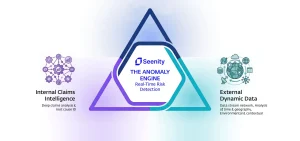
Every risk management process contains many stages and numerous decision points. The main question is how to manage such a process, specifically determining how much should be automated and how much should involve human intervention. A critical factor in the success of an organization is the ability to reduce risks and identify new risk patterns before they affect the company’s profitability. Seenity has the unique ability to realize these patterns. One of the central processes, even before deciding what to leave for the models, is the process of analyzing the causes of the risk, known as Root Cause Analysis (RCA).
Importance of RCA in Risk Management
In insurance companies, risk realization stems from various reasons, but a significant part is based on historical information, which is crucial in the risk assessment process. The integration of real-time data is also essential for an accurate assessment.
Our goal is to decide whether to update the model that automatically assesses risk. To achieve a circular process that enhances the accuracy of results and reduces risk realization, the following steps are necessary:
- Connect to Actual Results and Monitor the Results:
- Continuously gather real-time data on risk events and their outcomes.
- Monitor and analyze these results to identify patterns and discrepancies.
- Classification of the Claims:
- Categorize claims based on their characteristics, causes, and outcomes.
- Use this classification to understand the underlying factors contributing to each risk.
- Adjusting the Classification to Information that Reflects Reality:
- Ensure that the classification system is updated to reflect the latest real-world data.
- Incorporate feedback from recent incidents to refine the classification criteria.
- Deciding Whether to Rerun the Model:
- Based on the analysis, determine if the current risk assessment model needs updating.
- Implement changes to the model to improve its predictive accuracy and reduce risk.
By following these steps, organizations can create a dynamic and responsive risk management process that leverages both automated systems and human judgment. This ensures a balanced approach to managing risks effectively.
Seenity is a comprehensive risk management platform designed to leverage advanced data analytics, real-time monitoring, and expert-driven insights to help organizations manage and mitigate risks effectively. The platform combines automated processes with human expertise to provide a balanced approach to risk assessment and management.
Key Features of Seenity Platform
- Advanced Data Analytics
Seenity utilizes sophisticated data analytics to analyze historical data and identify patterns that could indicate potential risks. This includes the use of machine learning algorithms and statistical models to predict and prevent risk occurrences. - Real-Time Monitoring:
The platform is equipped with real-time data integration capabilities, allowing for continuous monitoring of various data sources. This ensures that any emerging risks are detected early and addressed promptly. - Root Cause Analysis (RCA):
Seenity incorporates RCA techniques to investigate and understand the underlying causes of risk incidents. This helps in developing targeted mitigation strategies and preventing future occurrences. - Automated Risk Assessment:
The platform features automated risk assessment models that can quickly evaluate and quantify risks based on predefined criteria. This allows for efficient and consistent risk evaluation across the organization. - Expert-Driven Insights:
While automation plays a significant role, Seenity also integrates human expertise into the decision-making process. Experts can review and validate automated assessments, ensuring that all aspects of risk are considered. - Dynamic Risk Management Processes:
Seenity supports dynamic and adaptive risk management processes. The platform can adjust its risk assessment models based on real-time data and feedback, ensuring that the organization is always prepared for new and evolving risks. - User-Friendly Interface:
The platform is designed with a user-friendly interface that makes it easy for users to navigate and utilize its features. This includes dashboards, visualizations, and interactive tools that provide clear and actionable insights. - Comprehensive Reporting:
Seenity provides detailed and customizable reporting capabilities. Users can generate reports that highlight key risk metrics, trends, and mitigation strategies, supporting informed decision-making at all organizational levels.
Benefits
- Enhanced Risk Identification:
By combining advanced analytics with real-time monitoring, Seenity ensures that risks are identified quickly and accurately. - Improved Risk Mitigation:
The platform’s RCA and expert-driven insights help in developing effective mitigation strategies, reducing the likelihood of risk realization. - Operational Efficiency:
Automated processes streamline risk assessment and management, saving time and resources for the organization. - Informed Decision-Making:
Comprehensive reporting and user-friendly tools provide decision-makers with the information they need to make well-informed risk management decisions.
Conclusion
Seenity has all the knowledge and expertise to implement these processes, ensuring robust risk management and enhanced organizational success. By leveraging advanced analytics, real-time monitoring, and expert insights, Seenity provides a comprehensive solution for effective risk management.